
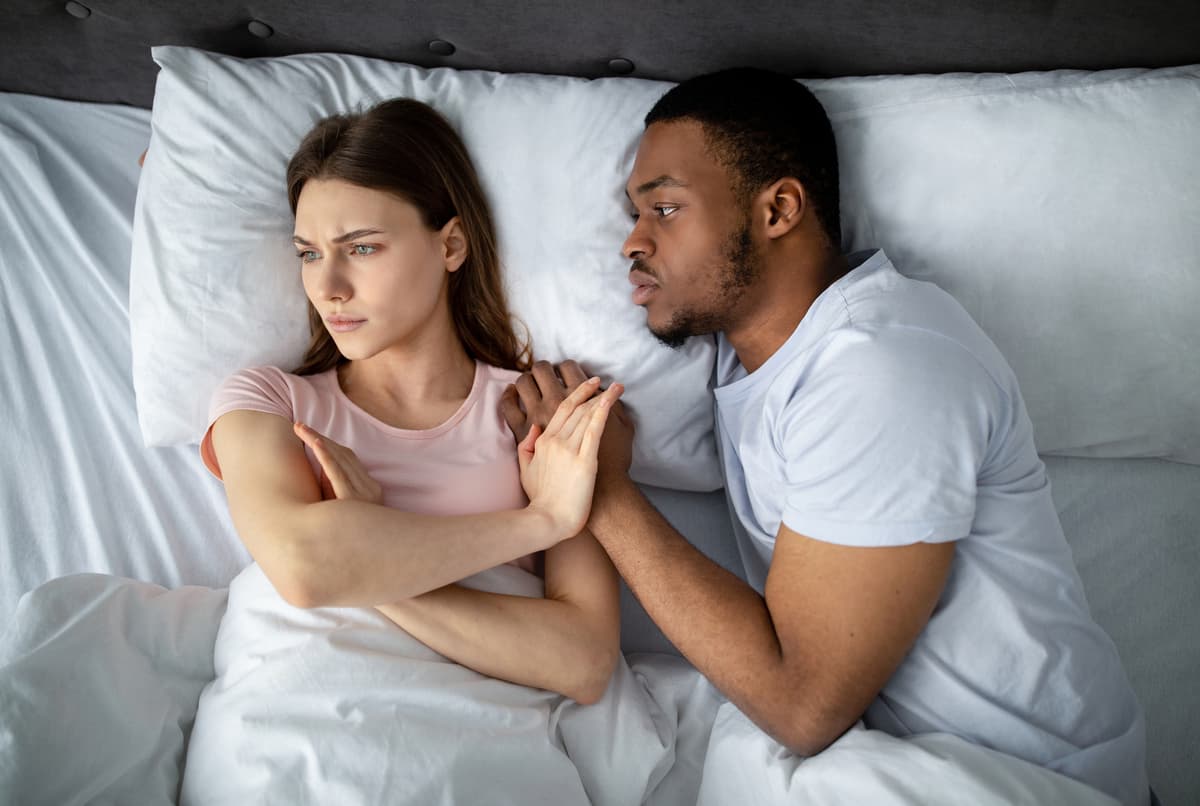
What is Low Libido and How is it Defined in Menopause?
Low libido refers to a reduced interest in or desire for sexual activity. While it can occur at any life stage, it is particularly common during menopause. In the context of menopause, it often presents as a diminished drive for sexual intimacy, reduced sexual thoughts or fantasies, and a decreased responsiveness to erotic cues.
It’s important to understand that libido is multifactorial. It is shaped not only by hormones but also by emotional, psychological, social, and physical factors. In menopause, the interplay of biological and psychosocial shifts creates a unique landscape that can influence libido significantly.
Low libido during menopause is not inherently abnormal—it is a common experience. However, when it begins to affect personal well-being, intimacy, or quality of life, it is worth exploring the possible causes and mechanisms involved.
How Do Hormonal Changes Contribute to Low Libido in Menopause?
One of the most well-known contributors to low libido in menopause is the decline in reproductive hormones, particularly estrogen and testosterone.
Estrogen Decline
Estrogen plays a critical role in maintaining the health of vaginal tissues, lubricating the genital area, and supporting overall sexual function. As estrogen levels decline:
- Vaginal dryness can develop.
- Tissue elasticity decreases, leading to discomfort or pain during intercourse.
- Blood flow to the genital area may be reduced.
These physical changes can make sexual activity less comfortable or enjoyable, leading to a reduced desire for intimacy.
Testosterone Reduction
Although commonly associated with male physiology, testosterone is present and active in female bodies as well. It contributes to sexual desire, arousal, and satisfaction. During and after menopause, testosterone levels decline gradually, and in some women, this decline correlates with decreased libido, reduced sexual energy, and less frequent sexual fantasies or thoughts.
However, the relationship between testosterone and libido is not uniform across all individuals. For some, libido remains stable despite hormonal changes, suggesting other factors are also at play.
How Do Psychological and Emotional Changes Affect Libido?
Menopause is often accompanied by psychological shifts that can contribute to low libido. These changes may include:
- Mood disturbances such as irritability, anxiety, or depression.
- Reduced self-esteem related to aging or changes in body image.
- Increased stress due to life transitions, career changes, or family dynamics.
These emotional states can reduce interest in intimacy. Sexual desire is not isolated from overall mental health. In many cases, when mood stabilizes, sexual interest may improve.
Additionally, emotional fatigue or mental overload from caregiving roles, personal responsibilities, or changes in sleep patterns can also affect libido. Libido requires not just physical readiness but mental space and emotional connection.
What Role Does Relationship Dynamics Play in Menopausal Libido?
Relationship health is a crucial determinant of sexual desire. During menopause, the dynamic between partners may change due to a number of factors:
- Shifts in roles or life stages (e.g., becoming empty nesters).
- Changes in partner’s health or libido.
- Evolving communication patterns or unresolved conflicts.
When emotional intimacy weakens, sexual interest often follows. Conversely, strong emotional bonds can help buffer some of the physical or hormonal challenges that arise during menopause.
For women in long-term partnerships, the quality of emotional connection and mutual understanding can either ease or intensify libido-related concerns. Open conversations and empathetic communication can improve connection and, in turn, enhance libido.
Can Sleep Disturbances and Fatigue Affect Sexual Desire?
Sleep disruption is common during menopause and can be linked to night sweats, insomnia, or anxiety. Lack of sleep affects energy levels, mood, and the body’s ability to recover—factors that are essential for sustaining interest in sexual activity.
Fatigue, especially chronic fatigue, reduces both physical stamina and emotional motivation. When someone is exhausted, the body prioritizes rest and recovery over other non-essential functions, including libido.
Additionally, poor sleep affects hormone regulation, especially cortisol and melatonin, which can influence overall wellbeing and sexual interest. Addressing sleep quality can, in some cases, result in noticeable improvements in libido.
How Does Vaginal Discomfort or Pain Influence Libido?
Vaginal discomfort during menopause is often linked to a condition known as genitourinary syndrome of menopause (GSM). This includes symptoms like:
- Vaginal dryness
- Itching or burning
- Pain with intercourse (dyspareunia)
- Urinary symptoms
When sex becomes physically uncomfortable or painful, the natural response is often avoidance. This avoidance can lead to a cycle of reduced arousal, emotional distancing, and further decline in libido.
Women may begin to associate intimacy with pain, which creates psychological barriers even when the physical symptoms are managed. Early attention to vaginal health can help interrupt this cycle and maintain positive sexual experiences during menopause.
What Influence Do Cultural or Societal Expectations Have on Libido?
Cultural norms, beliefs, and societal messages about aging and sexuality can impact how women perceive their own sexual worth and interest during menopause. Messages that suggest sexuality is only for the young or that desire should fade with age can unconsciously affect libido.
For some, these cultural narratives lead to internalized shame or diminished body confidence. This can contribute to a sense of detachment from one’s own sexual identity, reducing both self-acceptance and the pursuit of intimacy.
Challenging outdated beliefs and reframing menopause as a stage of personal evolution, rather than decline, can be liberating and restorative for sexual well-being.
Can Medications Impact Libido During Menopause?
Several medications commonly used during menopause or for chronic conditions may affect libido. These include:
- Antidepressants, particularly SSRIs, which can blunt sexual desire or delay orgasm.
- Blood pressure medications, which may reduce genital blood flow.
- Sleep aids, which can cause grogginess or emotional dullness.
- Pain medications, which might suppress arousal pathways.
The effects of medications are often subtle and cumulative. Libido may change gradually over weeks or months. Being aware of these possible side effects allows for informed conversations with healthcare providers.
Medication adjustments or exploring alternative treatments may help restore sexual desire while managing the original condition effectively.
How Does Body Image During Menopause Affect Libido?
Physical changes during menopause—such as weight gain, redistribution of body fat, changes in skin elasticity, and thinning hair—can impact how women view themselves. If these changes lead to reduced confidence or body dissatisfaction, libido may decline as a result.
Sexual interest is closely tied to how one feels about their body. When a person no longer feels attractive, it becomes harder to access desire. Rebuilding a positive body image and accepting the natural aging process are key components of supporting libido during menopause.
Practices such as movement, self-care routines, and dressing in a way that fosters confidence can help improve body image and, by extension, desire.
What Role Does Autonomy and Identity Play in Sexual Desire?
Menopause often coincides with a time of reevaluation—of identity, purpose, and priorities. As reproductive capacity ends, many women reflect on their personal histories, choices, and values. This can lead to a renewed sense of self or, conversely, to uncertainty or grief.
When sexual identity has been closely tied to youth or reproductive roles, menopause may feel disorienting. In contrast, women who view sexuality as a broader expression of intimacy, creativity, or power may find this time liberating.
Desire is not only physical but also existential. Feeling connected to one’s evolving identity can foster a redefined—and sometimes revitalized—sense of libido.
Are There Natural Fluctuations in Libido During Menopause?
Yes. Libido is not static. Even within menopause, sexual desire can fluctuate from week to week or month to month. These fluctuations are influenced by:
- Sleep quality
- Stress levels
- Emotional states
- Relationship dynamics
- Physical symptoms
Acknowledging this variability allows for a more compassionate and realistic perspective. Women may experience periods of higher desire interspersed with times of disinterest. These fluctuations are not necessarily problematic unless they cause distress or interfere with personal fulfillment.
Can Libido Return or Improve After Menopause?
In many cases, yes. Libido can improve post-menopause, especially when contributing factors are identified and addressed. For some women, freedom from contraception, reduced parenting demands, or emotional growth lead to renewed interest in sex.
As hormonal fluctuations stabilize and women adapt to new realities, desire may gradually reemerge. With proper support—both medical and emotional—many women report satisfying and even enhanced sexual experiences later in life.
Reframing menopause as a time of transition, rather than loss, opens space for libido to evolve in meaningful and fulfilling ways.
How Does Perimenopause Differ from Postmenopause in Terms of Libido?
Understanding the timeline of menopausal transition is essential when considering libido. Perimenopause (the years leading up to the final menstrual period) and postmenopause (the years following it) present different physiological and emotional landscapes.
Perimenopause
In perimenopause, estrogen and progesterone levels fluctuate unpredictably. Some women experience hormonal surges followed by sudden drops, creating erratic patterns in sexual desire. Libido may peak at times and disappear at others. This hormonal instability can make it difficult for women to anticipate or understand their sexual responses. Additionally, irregular cycles, sleep disturbances, and mood shifts can all contribute to a perceived loss of consistency in sexual interest during this phase.
Postmenopause
Once a woman has gone 12 months without a menstrual period, she is considered postmenopausal. Hormone levels stabilize at new, lower baselines. For many, this stabilization offers emotional relief, but for others, the continued low levels of estrogen and testosterone may further suppress libido. The etiology of low libido in postmenopause is less about fluctuation and more about long-term hormonal insufficiency, compounded by physical, emotional, and relational factors that may have accumulated over time.
Is Sexual Desire Only “Spontaneous,” or Can It Be “Responsive”?
A common misconception is that libido should be spontaneous — emerging out of nowhere with little effort or context. However, during menopause and beyond, many women find that desire becomes more responsive rather than spontaneous.
What Is Responsive Desire?
Responsive desire emerges in reaction to intimacy, emotional closeness, or sensory stimulation. A woman may not feel desire until she begins to experience physical or emotional connection. Once arousal begins, desire follows — not the other way around.
This model of sexuality is important to understand during menopause. Women may no longer experience abrupt, urgent sexual thoughts, but that doesn’t mean desire is gone. It has simply changed its rhythm.
Understanding the distinction between spontaneous and responsive desire allows women to explore intimacy without judgment and recognize that libido can be nurtured rather than passively awaited.
How Does the Nervous System Influence Libido in Menopause?
The autonomic nervous system plays a subtle but profound role in sexual function. It includes two key branches: the sympathetic (fight or flight) and parasympathetic (rest and digest) systems.
Chronic Stress and the Sympathetic Dominance
When the body is chronically stressed, it remains in a state of sympathetic overdrive. Cortisol levels rise, and the body prioritizes survival over reproduction. Libido, under this system, is often suppressed.
During menopause, life stressors such as career demands, aging parents, adult children, or personal health concerns can elevate cortisol and diminish libido. Even low-grade, persistent anxiety can keep the nervous system in a hypervigilant state that’s not conducive to arousal.
The Role of the Parasympathetic System
In contrast, the parasympathetic system supports arousal and relaxation. Safe, emotionally attuned environments help activate this system. Practices that encourage calm — such as mindfulness, slow breathing, or intimate touch without pressure — can gently bring the nervous system back into balance and promote conditions more favorable for libido to reemerge.
How Can Chronic Illness or Pain Conditions Influence Menopausal Libido?
Menopause often overlaps with the onset or progression of chronic conditions such as:
- Osteoarthritis
- Fibromyalgia
- Autoimmune disorders
- Diabetes
- Cardiovascular disease
Chronic illness can affect libido through multiple pathways. Persistent pain, fatigue, mobility limitations, and the psychological toll of managing long-term conditions all contribute.
Additionally, some chronic diseases affect vascular function, which is essential for genital arousal and lubrication. Neuropathies or decreased blood flow can make sexual activity more difficult or less pleasurable, reducing the desire to engage.
The body under chronic stress or inflammation diverts energy away from non-essential processes like libido. Managing these conditions comprehensively can help mitigate their impact on sexual interest.
Are There Differences in How Women Experience Libido Depending on Sexual Orientation or Identity?
Yes. Sexual desire during menopause is not uniform, and a woman's identity, lived experience, and relationship dynamics shape her experience of libido. For example:
- Women in same-gender relationships may have different patterns of emotional and sexual connection compared to those in heterosexual relationships.
- Women who identify as queer, bisexual, or non-binary may encounter unique psychological, cultural, or relational challenges that affect libido.
- Women who have navigated previous trauma or identity-related stigma may carry additional layers of stress or emotional complexity into the menopausal transition.
Inclusive care recognizes that libido is not a one-size-fits-all experience. Individual history, identity, and support systems all shape how desire evolves during menopause.
Why the Cause Matters for Treatment
Low libido during menopause is complex, but it is not without nuance, opportunity, or hope. By understanding the many origins — from hormonal to relational to emotional — women can approach this transition with knowledge and compassion. Libido may not return in its earlier form, but it can evolve into something equally rich, responsive, and meaningful.
Disclaimer: The information provided on this website, including blog posts, is for general educational and informational purposes only and is not intended as medical advice. As a board-certified physician, I aim to share insights based on clinical experience and current medical knowledge. However, this content should not be used as a substitute for individualized medical care, diagnosis, or treatment. Always consult your own healthcare provider before making any changes to your health, medications, or lifestyle. Westside Women's Health and its affiliates disclaim any liability for loss, injury, or damage resulting from reliance on the information presented here.