
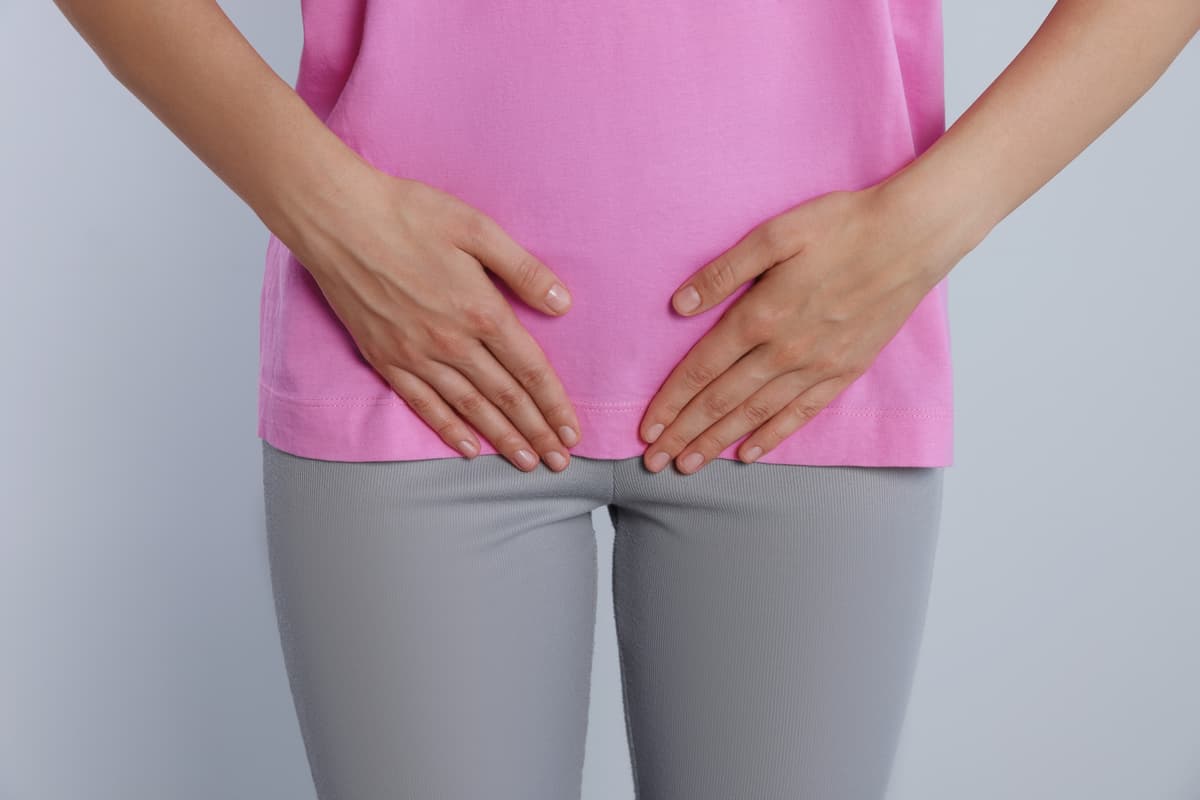
What is urinary incontinence and why is it common during menopause?
Urinary incontinence is the involuntary loss of urine—an issue that becomes increasingly common as women transition through menopause. It can range from a slight leak during coughing or sneezing to an urgent need to urinate that can’t be controlled. The menopausal transition triggers changes in hormone levels, particularly a decline in estrogen, which impacts the muscles, tissues, and nerves involved in bladder control. These changes can weaken the pelvic floor, reduce bladder capacity, and disrupt normal signaling between the bladder and brain, leading to various types of urinary incontinence.
Understanding urinary incontinence in the context of menopause is important because it affects millions of women, yet is often misunderstood or overlooked.
What types of urinary incontinence are most common in menopausal women?
The two primary types of urinary incontinence seen in menopausal women are:
- Stress Incontinence: This occurs when physical activities that increase abdominal pressure—like coughing, laughing, sneezing, or exercising—cause urine to leak. It’s related to weakened pelvic floor muscles and urethral support, both of which can decline during menopause.
- Urgency Incontinence: Also known as overactive bladder, this type involves a sudden, intense urge to urinate followed by involuntary leakage. It happens when the bladder muscles contract involuntarily, often due to changes in nerve signaling or bladder tissue sensitivity.
Some women experience a combination of both, called mixed incontinence, where symptoms of stress and urgency coexist.
How does the drop in estrogen during menopause contribute to urinary incontinence?
Estrogen has a protective role in the urinary tract. It helps maintain the thickness and elasticity of the bladder lining and urethral tissues, supports the strength of pelvic floor muscles, and promotes healthy nerve function. When estrogen levels fall during menopause:
- The tissues around the urethra and bladder become thinner and less elastic.
- Pelvic muscles lose tone and strength.
- Nerve signals to and from the bladder can become less coordinated.
These changes mean the bladder may be more sensitive, the urethra less capable of holding urine tightly, and the muscles less able to support the pelvic organs effectively. Together, this creates the conditions for urinary leakage.
Are there risk factors that make urinary incontinence more likely during menopause?
While menopause itself increases risk, several additional factors can influence the likelihood and severity of urinary incontinence:
- Age: Muscle and tissue changes progress with age, compounding menopausal effects.
- Childbirth History: Vaginal deliveries, especially multiple or traumatic births, can weaken pelvic muscles.
- Weight: Excess abdominal weight increases pressure on the bladder.
- Smoking: Tobacco use can cause chronic coughing and tissue damage, both contributing to stress incontinence.
- Chronic Health Conditions: Diabetes, neurological disorders, and bladder infections may exacerbate symptoms.
- Physical Activity: High-impact activities without adequate pelvic floor strength can increase stress on the bladder.
Identifying and managing these factors can help reduce the risk or improve symptoms of urinary incontinence.
How does pelvic floor health impact urinary control during menopause?
Pelvic floor muscles act as the support system for the bladder, urethra, uterus, and rectum. Strong, responsive pelvic floor muscles keep the urethra closed during moments of increased pressure and support bladder function.
During menopause:
- Pelvic muscles may weaken due to hormonal changes and natural aging.
- Muscle fibers can lose elasticity and responsiveness.
- Coordination between muscle contractions and bladder signals can decline.
Weak pelvic floor muscles reduce the ability to prevent urine leakage during sudden pressure increases, making stress incontinence more common. They also impact the control of bladder urgency and emptying efficiency. Improving pelvic floor strength through targeted exercises can significantly reduce incontinence symptoms.
What lifestyle habits influence urinary incontinence during menopause?
Certain lifestyle factors can either worsen or alleviate urinary incontinence symptoms:
- Fluid Intake: Drinking adequate water is essential, but excessive fluid intake, especially before bedtime, can increase frequency and urgency.
- Caffeine and Alcohol: Both act as bladder irritants and diuretics, exacerbating urgency and leakage.
- Weight Management: Maintaining a healthy weight reduces pressure on the bladder.
- Physical Activity: Regular exercise supports muscle tone but should include pelvic floor training.
- Smoking: Quitting smoking reduces chronic coughing and tissue damage.
- Bladder Habits: Avoiding “just in case” bathroom visits and practicing scheduled voiding helps retrain bladder control.
Adopting supportive habits can improve symptoms and overall urinary health.
Are there different treatments for stress and urgency urinary incontinence?
Yes, treatment approaches differ based on the type of incontinence:
- Stress Incontinence Treatments:
- Pelvic floor muscle training (Kegel exercises)
- Lifestyle modifications (weight loss, quitting smoking)
- Physical therapy targeting pelvic support
- In some cases, surgical interventions
- Urgency Incontinence Treatments:
- Bladder retraining programs
- Behavioral therapies to manage urgency
- Medications targeting bladder muscle overactivity
- Lifestyle changes to reduce bladder irritation
For mixed incontinence, a combination of these approaches is often recommended to address both stress and urgency components.
How effective are pelvic floor exercises in managing urinary incontinence?
Pelvic floor exercises are widely considered the first-line, non-invasive treatment for urinary incontinence during menopause. These exercises strengthen the muscles responsible for supporting the bladder and controlling urine flow.
When performed correctly and consistently:
- They improve muscle tone and endurance.
- Enhance coordination between the bladder and pelvic floor.
- Reduce episodes of leakage.
- Increase confidence and bladder control.
The key is correct technique and regular practice over weeks or months. Many women benefit from guidance by a pelvic health specialist to learn proper exercises and avoid common mistakes.
Can bladder training reduce urgency and leakage?
Bladder training is a behavioral technique that helps women regain control over bladder urges and reduce frequency. It involves gradually increasing the time between bathroom visits and learning to tolerate the sensation of bladder fullness without immediately rushing to the toilet.
Bladder training helps:
- Increase bladder capacity.
- Reduce urgency sensations.
- Break the habit of frequent, unnecessary urination.
- Improve overall bladder function.
Consistency and patience are important, as it can take several weeks to months to see significant improvement.
Are there non-surgical medical options for urinary incontinence in menopause?
Beyond exercises and lifestyle changes, several medical options can help manage symptoms:
- Topical Estrogen: Applied locally, estrogen creams or rings can restore tissue health around the urethra and vagina, improving elasticity and muscle tone.
- Medications: Drugs designed to relax bladder muscles or reduce overactivity can decrease urgency and leakage.
- Biofeedback Therapy: This technique uses sensors and visual feedback to help women learn to control pelvic floor muscles more effectively.
These options are tailored to the individual’s symptom type and health profile.
When is surgery considered for urinary incontinence?
Surgery may be recommended if urinary incontinence is severe, persistent, and unresponsive to conservative measures. Surgical procedures typically aim to:
- Provide additional support to the urethra.
- Repair pelvic organ prolapse if present.
- Strengthen the pelvic floor via implanted slings or mesh.
Surgical decisions are highly individualized, considering overall health, symptom severity, and personal preferences.
How does urinary incontinence affect quality of life during menopause?
Urinary incontinence can have profound emotional, social, and physical impacts:
- Emotional Effects: Feelings of embarrassment, shame, anxiety, and reduced self-esteem are common.
- Social Impact: Avoidance of social activities, travel, and intimacy may occur due to fear of leakage.
- Physical Consequences: Skin irritation, infections, and sleep disturbances can result from frequent leakage or nighttime urination.
Addressing urinary incontinence holistically improves not only physical symptoms but also mental health and overall well-being.
What role does diet play in managing urinary incontinence?
Certain foods and drinks can irritate the bladder and worsen incontinence symptoms:
- Caffeine (coffee, tea, energy drinks)
- Alcohol
- Spicy foods
- Acidic fruits and juices
- Artificial sweeteners
- Carbonated beverages
Limiting or avoiding these bladder irritants may reduce urgency and leakage episodes. A balanced diet rich in fiber also supports healthy bowel function, preventing constipation which can worsen bladder symptoms.
Can weight loss improve urinary incontinence symptoms?
Yes, weight loss is one of the most effective lifestyle changes for reducing urinary incontinence, especially stress incontinence. Excess abdominal weight places constant pressure on the bladder and pelvic floor, weakening support structures and increasing leakage risk.
Even modest weight loss can lead to significant symptom improvement by:
- Reducing intra-abdominal pressure.
- Enhancing pelvic muscle function.
- Improving overall metabolic and hormonal health.
Combining weight management with pelvic floor exercises maximizes benefits.
How can women cope emotionally with urinary incontinence?
Coping with urinary incontinence involves acknowledging its impact and adopting supportive strategies:
- Open Communication: Talking to healthcare providers, friends, or support groups reduces isolation.
- Education: Understanding the condition helps dispel myths and fears.
- Self-Care: Practicing pelvic exercises, managing diet, and tracking symptoms fosters a sense of control.
- Stress Management: Mindfulness, relaxation techniques, and counseling can ease anxiety related to symptoms.
Emotional resilience supports physical management and improves quality of life.
Is it normal to have urinary incontinence for the first time during menopause?
Yes. Many women experience the onset or worsening of urinary incontinence for the first time during the menopausal transition. Hormonal changes combined with aging, childbirth history, and lifestyle factors create a perfect storm for symptoms to emerge. Early recognition and intervention can help prevent progression and improve outcomes.
What can women expect during a medical evaluation for urinary incontinence?
A healthcare provider will typically:
- Take a detailed history of symptoms, frequency, triggers, and impact.
- Perform a physical exam focusing on pelvic and abdominal areas.
- Request urine tests to rule out infection.
- Possibly recommend bladder diaries to track urination patterns.
- In some cases, conduct specialized tests like urodynamics to assess bladder function.
This thorough evaluation guides an individualized treatment plan tailored to symptom type and severity.
How important is consistent follow-up and self-monitoring?
Urinary incontinence often requires ongoing management rather than a one-time fix. Consistent follow-up with healthcare providers ensures that treatment remains effective and adjustments are made as symptoms evolve. Regular check-ins can help:
- Track progress with pelvic floor exercises or bladder training
- Monitor for new or worsening symptoms
- Identify any side effects from medications or therapies
- Discuss lifestyle changes and their impacts
Self-monitoring, such as keeping a bladder diary, is equally important. Recording fluid intake, urination times, leakage episodes, and triggers provides valuable insight into patterns that can be addressed through behavioral changes or therapy. This proactive approach helps women maintain control and improves long-term outcomes.
Can hormonal changes during menopause cause bladder infections that worsen incontinence?
While menopause itself doesn’t cause bladder infections, the reduction in estrogen leads to changes in the vaginal and urinary tract environment that may increase infection risk. Thinner, drier tissues and a decrease in protective bacteria create a more vulnerable area prone to irritation and infection.
Urinary tract infections (UTIs) can worsen incontinence by increasing urgency, frequency, and discomfort. Recognizing and treating infections promptly is important to avoid confusion between infection-related symptoms and chronic urinary incontinence. Maintaining good hygiene, adequate hydration, and addressing vaginal health can help reduce infection risk during menopause.
Are there special considerations for urinary incontinence at night (nocturia)?
Nocturia, or frequent urination during the night, can be particularly disruptive during menopause. Hormonal changes affect the body’s ability to concentrate urine overnight, leading to increased urine production and the need to urinate more frequently.
Additionally, sleep disturbances common in menopause—such as hot flashes or anxiety—can make the sensation of needing the bathroom more noticeable.
Managing nocturia often involves:
- Adjusting fluid intake timing (reducing fluids in the evening)
- Addressing sleep hygiene and menopausal symptoms that disrupt rest
- Bladder training to increase nighttime bladder capacity
- Checking for other health conditions that may contribute, such as diabetes or sleep apnea
Reducing nighttime urination improves sleep quality and overall well-being.
Can pelvic organ prolapse be related to urinary incontinence during menopause?
Pelvic organ prolapse occurs when pelvic organs—such as the bladder, uterus, or rectum—descend due to weakened pelvic floor support. This condition often coincides with menopause due to tissue changes and muscle weakening.
Prolapse can worsen or trigger urinary incontinence by:
- Changing the angle or position of the urethra
- Increasing pressure on the bladder
- Affecting the ability to fully empty the bladder
Symptoms may include a sensation of heaviness or bulging in the vagina, alongside leakage or difficulty urinating. Addressing prolapse through pelvic floor therapy or, in some cases, surgical intervention can relieve associated urinary symptoms and improve quality of life.
Incontinence Is Common — and Treatable
Urinary incontinence during menopause is common, complex, and manageable. With lifestyle changes, pelvic floor exercises, medical support, and open communication, women can regain control and reduce its impact on quality of life. Recognizing and addressing the condition without stigma empowers women to prioritize both physical and emotional well-being.
Disclaimer: The information provided on this website, including blog posts, is for general educational and informational purposes only and is not intended as medical advice. As a board-certified physician, I aim to share insights based on clinical experience and current medical knowledge. However, this content should not be used as a substitute for individualized medical care, diagnosis, or treatment. Always consult your own healthcare provider before making any changes to your health, medications, or lifestyle. Westside Women's Health and its affiliates disclaim any liability for loss, injury, or damage resulting from reliance on the information presented here.